Trail Safety
Whether you're on wheels, on foot, or in the saddle, we all share the same trails and streets. A simple wave, a "hello," or a moment of eye contact can acknowledge shared space, prevent accidents, and make every outing better for everyone.
Trail Safety By Mode of Transport
Explore trail and street etiquette for everyone on the move. Whether you’re biking, hiking, or riding. Small gestures like a wave or hello help keep shared spaces safe and enjoyable.
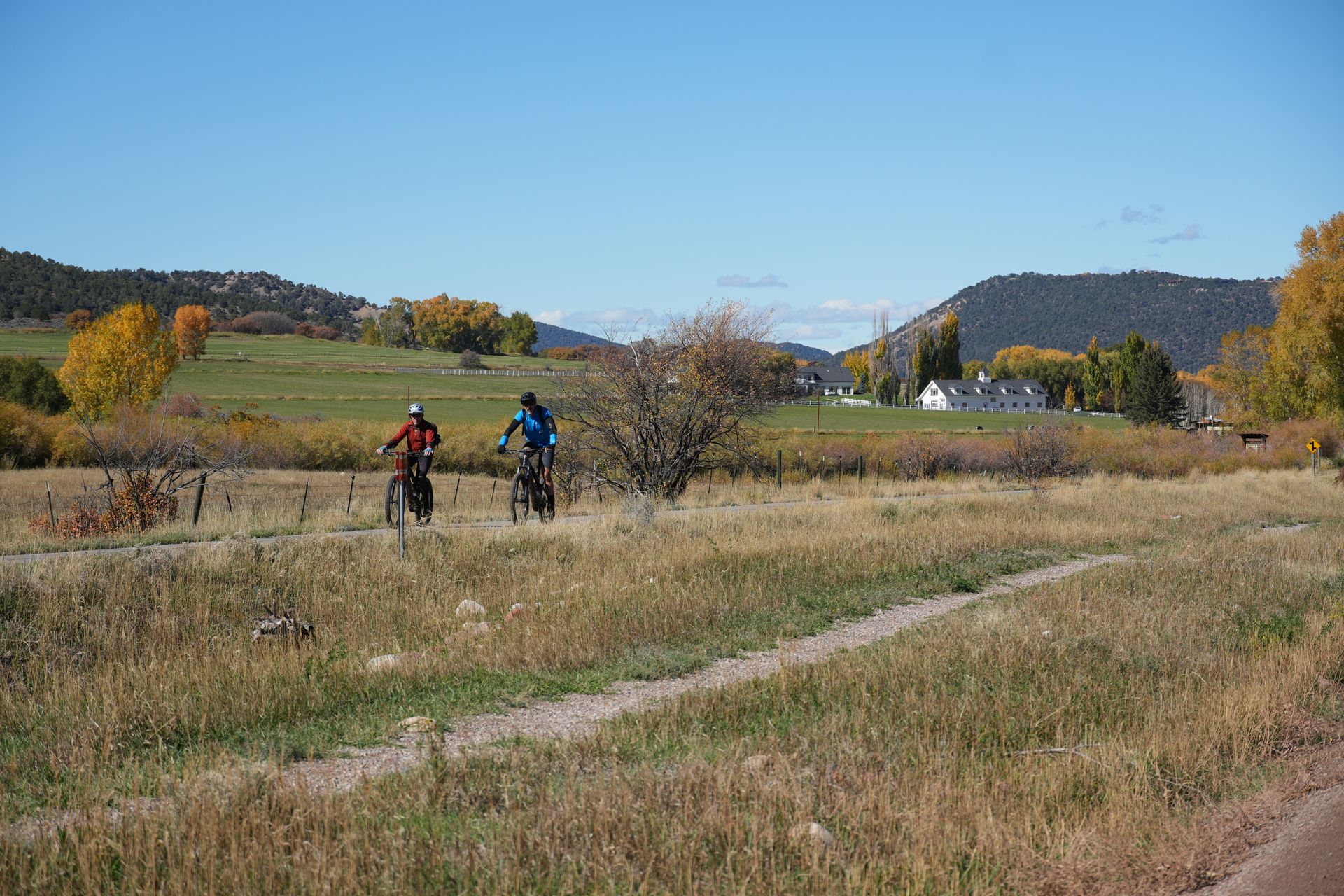
All Users
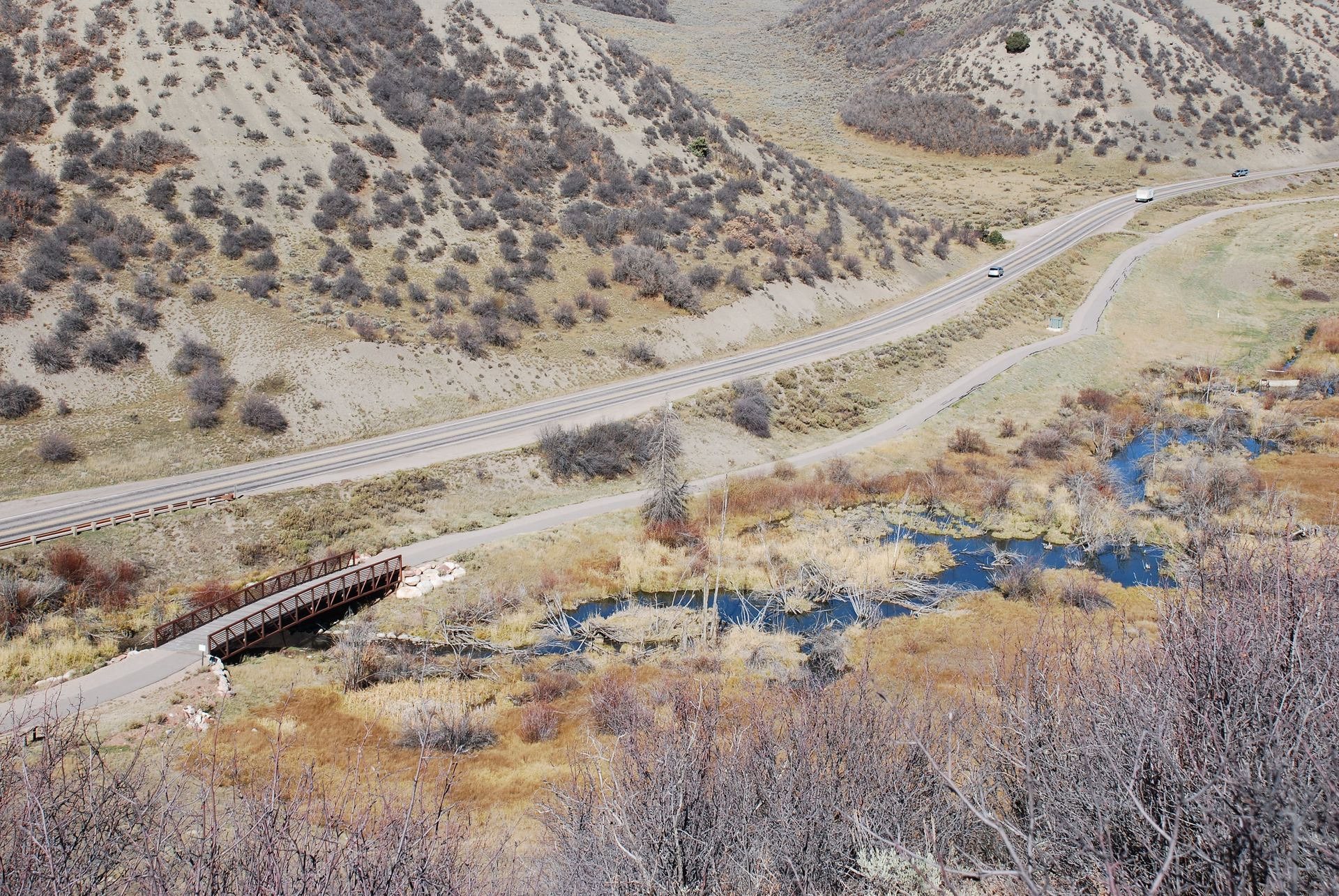
All trail users share the landscape. These messages apply universally and support general corridor-use practices, community values, and habitat stewardship goals.
Slow Down
- We are all part of this community, just trying to have a good time and get to where we're going. Slow down and say, "Hello!"
Say Hello
- Greet approaching users with eye contact and a friendly wave or "Hello!". It's the simplest way to coordinate a safe pass.
Show Up
- Be safe and predictable. Make yourself visible and move in a way others can anticipate.
Tune In
- Tune into what you are fortunate to have around you. Avoid wearing both earbuds (or any!) so you can hear what's going on.
- Know the routes and rules before you go. Trail access, leash requirements, and seasonal closures vary by jurisdiction.
Stay in Control
- Stay in control and keep your animals in control at all times.
- Stay on designated trails. Sensitive habitats are easily damaged.
Leave No Trace
- Take care of our shared spaces. Pick up all trash, pet waste, and food scraps - every time, no exceptions.
Cyclists & E-Bike Riders
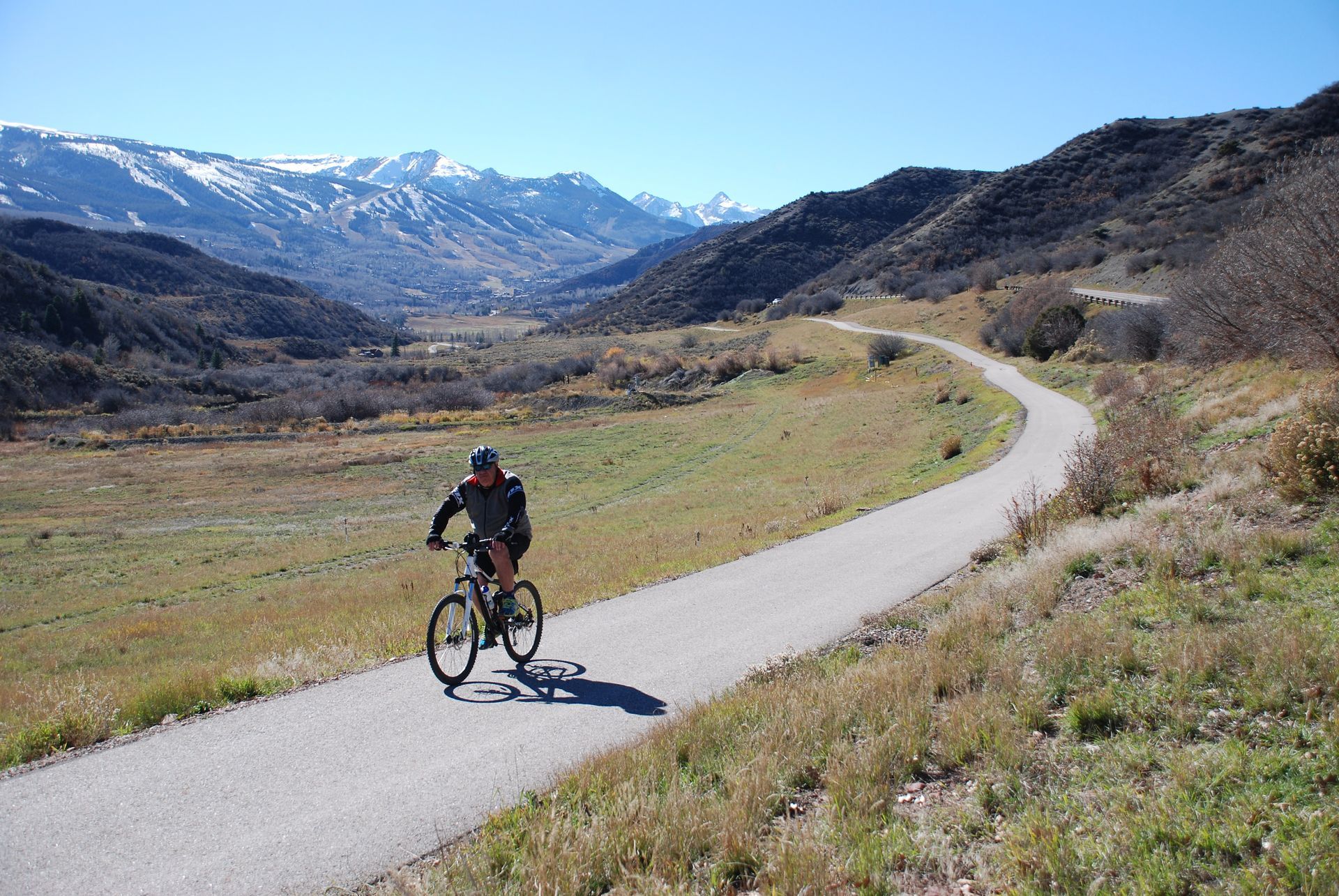
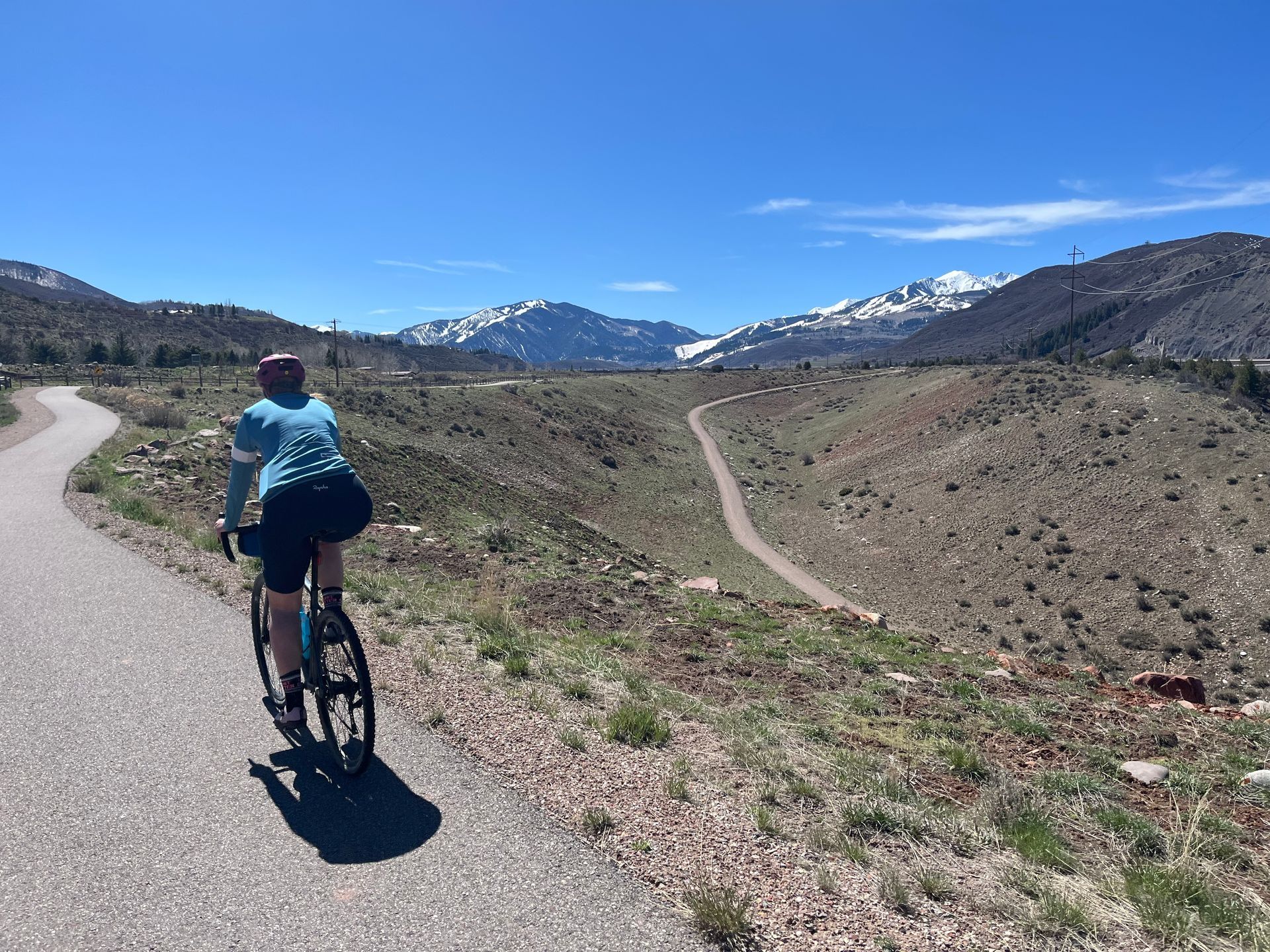
E-bikes are the fastest-growing user group on our shared paths and trails. Messaging for cyclists, especially e-bike riders, should emphasize speed awareness and communication, as e-bikes can surprise other trail users who may not hear or expect them and their speed.
Slow Down
- Slow down when approaching all trail users.
- E-bikes are zippy! What feels slow to you may feel fast to someone on foot. When in doubt, slow down more.
- Obey posted speed limits on shared paths.
Say Hello
- Announce yourself well in advance: ring your bell AND say, "On your left" or "Passing!" Your voice tells people and animals that you're human.
- Greet approaching users with eye contact and say, “Hello!” to let them know you've heard them and to help coordinate a safe pass.
- When approaching equestrians, stop, stay visible, and calmly ask the rider: "Is it okay to pass?"
Show Up
- Ride predictably. Use hand signals and make eye contact when turning or stopping, stay single file, and keep to the right.
- Avoid sudden stops or lane changes that could surprise users behind you.
- Use bike lights when visibility is low.
- Wear bright or reflective clothing, especially at dawn, dusk, and night.
Tune In
- Avoid wearing both earbuds (or any!) so you can hear what's going on around you.
- Look ahead and behind regularly, especially on blind curves and busy junctions.
- Know the rules before you ride: e-bike class access varies by jurisdiction and trail type.
- Dismount and walk your bike through crosswalks; make eye contact with drivers before crossing.
Stay in Control
- Maintain full control at all times, especially on descents and near intersections.
- Keep off sidewalks and pedestrian malls. These spaces are for pedestrians.
- Ride with the flow of traffic on roads and follow all traffic signs and signals.
- Wear a helmet!
Leave No Trace
- Pick up all trash, pet waste, and food scraps - every time, no exceptions.
- Stay on designated paths. Cutting switchbacks or going off-trail damages habitat and accelerates erosion.
Pedestrians
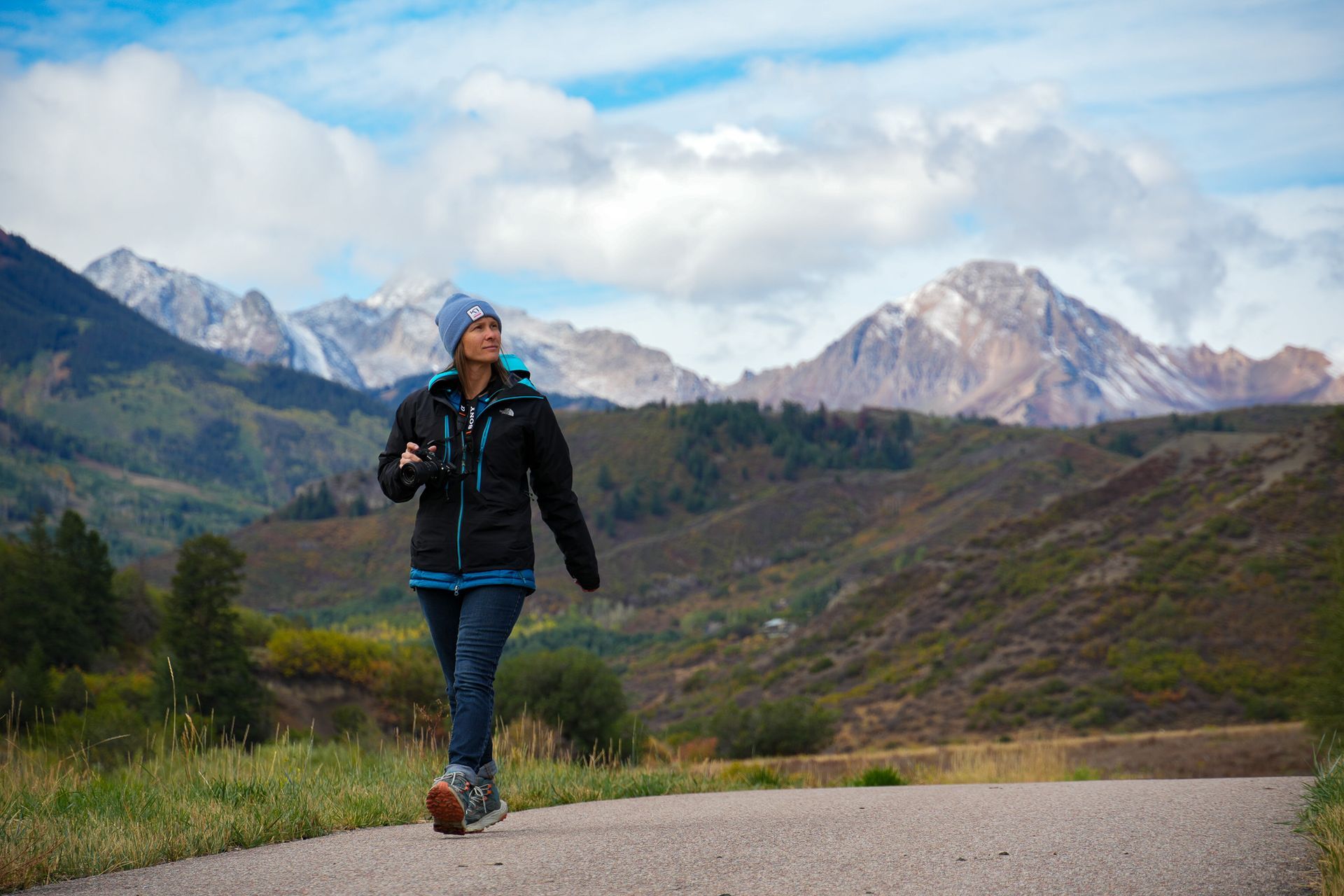
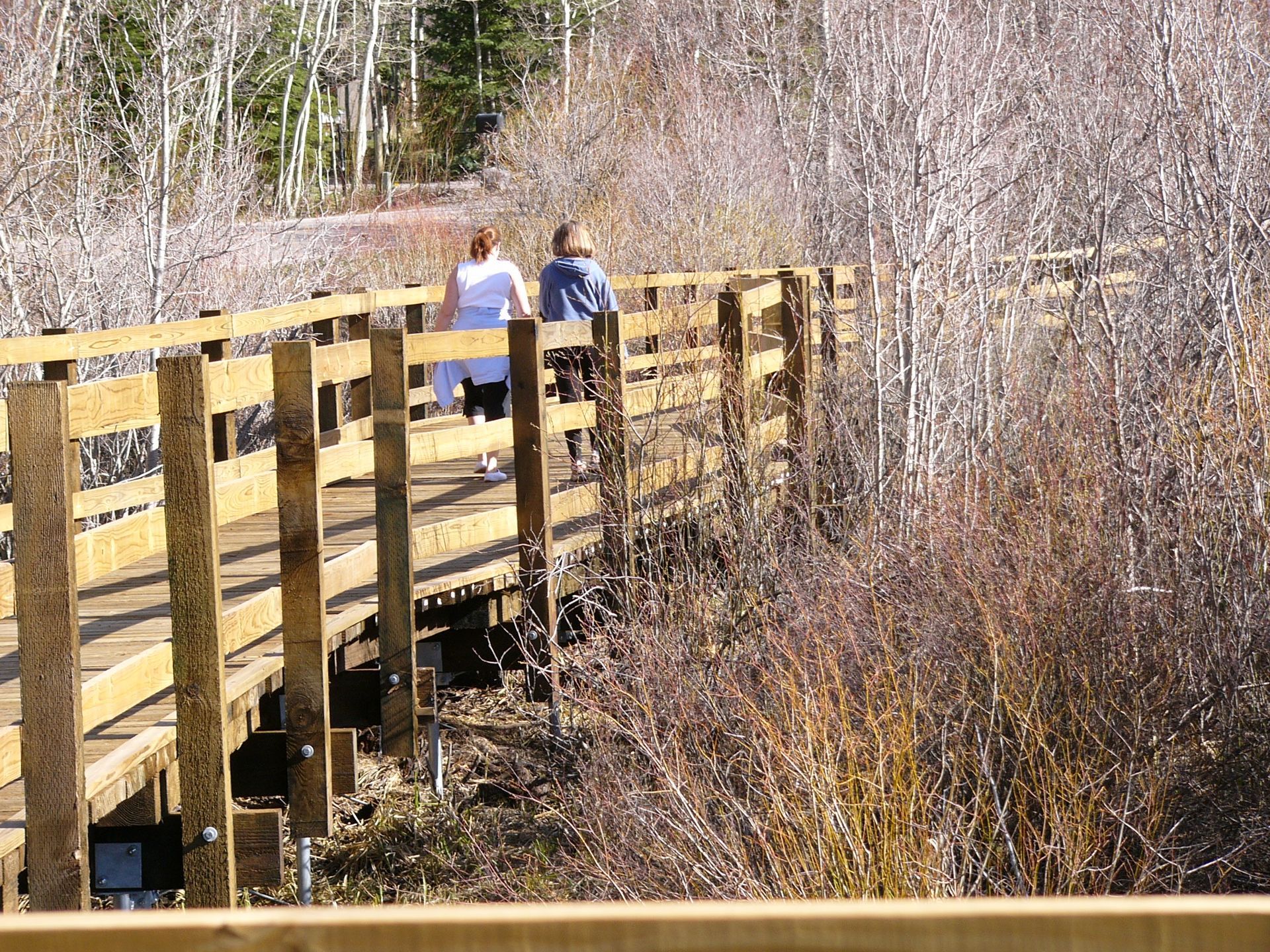
Walkers, hikers, joggers, and those using mobility devices are often the most vulnerable and most frequent corridor users. Messaging should reinforce awareness and communication, especially around faster-moving users.
Say Hello
- Greet approaching users with eye contact and say, “Hello!” to let faster users know you've heard them and to help coordinate a safe pass.
- Respond to cyclists announcing that they are passing. A simple "thank you," or a wave, confirms you've heard them and helps coordinate a safe pass.
- When approaching equestrians and dogs, stop, stay visible, and speak calmly. Your voice tells animals that you're human.
Show Up
- Wear bright or reflective clothing, especially at dawn, dusk, and night.
- Carry a headlamp or light if your outing might extend into dark hours.
- Stay to the right on shared paths so faster users can pass safely on your left.
- Use crosswalks and make eye contact with street users before stepping into traffic.
Tune In
- Avoid wearing both earbuds (or any!) so you can hear what's going on around you.
- Look ahead and behind regularly, especially on blind curves and busy junctions.
- Know the rules before you go. Leash requirements and seasonal closures vary by location.
Stay in Control
- Keep children close and within sight at all times on shared-use trails.
- Walk single file when the trail narrows or when others need to pass.
- Dogs must be under strict voice control and leashed when posted.
Leave No Trace
- Pick up all trash, pet waste, and food scraps - every time, no exceptions.
- Stay on designated paths. Cutting switchbacks or going off-trail damages habitat and accelerates erosion.
Equestrians
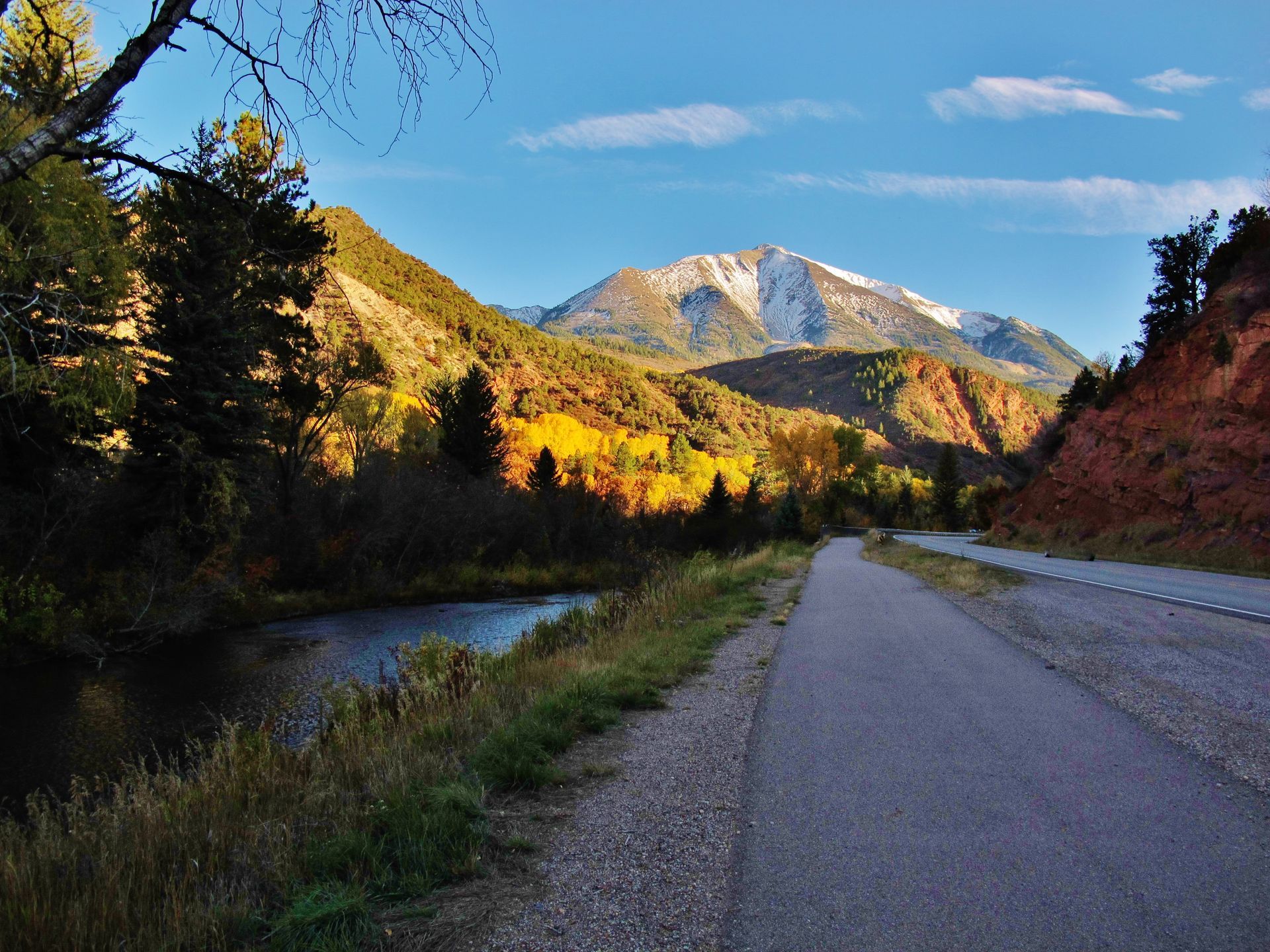
Horses require special consideration from all trail users, and equestrians are uniquely positioned to direct safe encounters. Take the lead, literally and figuratively, and most passes will go smoothly.
Slow Down
- Pass other trail users slowly and wide. Even a careful horse can be intimidating at close range.
- If your horse is unsettled, stop and let others move farther away before proceeding.
- Manage your pace proactively on descents. Anticipate encounters before they happen.
Say Hello
- Call out early: "I'm on a horse. Please say hello!" The sound of a human voice helps your horse identify others as people, not predators.
- Give clear directions to other trail users on how to pass safely. You know your horse best.
- Thank others who yield. Positive reinforcement encourages trail courtesy in future encounters.
Show Up
- Consider bright or visible clothing, especially on trails shared with fast-moving cyclists.
- Be visible at trail junctions and blind turns. Call out or make noise so others know you're coming.
- Move and signal consistently so approaching users can anticipate your path and pace.
Tune In
- Pay close attention to your horse. It will sense and hear other trail users before you do.
- Look ahead and behind regularly, especially on blind curves and busy junctions.
- Know the rules before you go. Equestrian access and seasonal closures vary by location.
Stay in Control
- Stay calm. Your energy transfers directly to your horse. A calm rider leads to a calm horse.
- Know your horse's limits and avoid trail conditions or user densities that exceed their comfort level.
- Ask approaching users to move to the downhill side of the trail. Horses perceive upslope objects as threats.
- If it's safer to yield rather than be passed, do so. Safety matters more than trail hierarchy.
Leave No Trace
- Pick up all trash, dog waste, and food scraps - every time, no exceptions.
- When possible, move to the trail edge so horse manure lands with less impact on other users.
- Stay on designated paths. Cutting switchbacks or going off-trail damages habitat and accelerates erosion.
Dog Owners
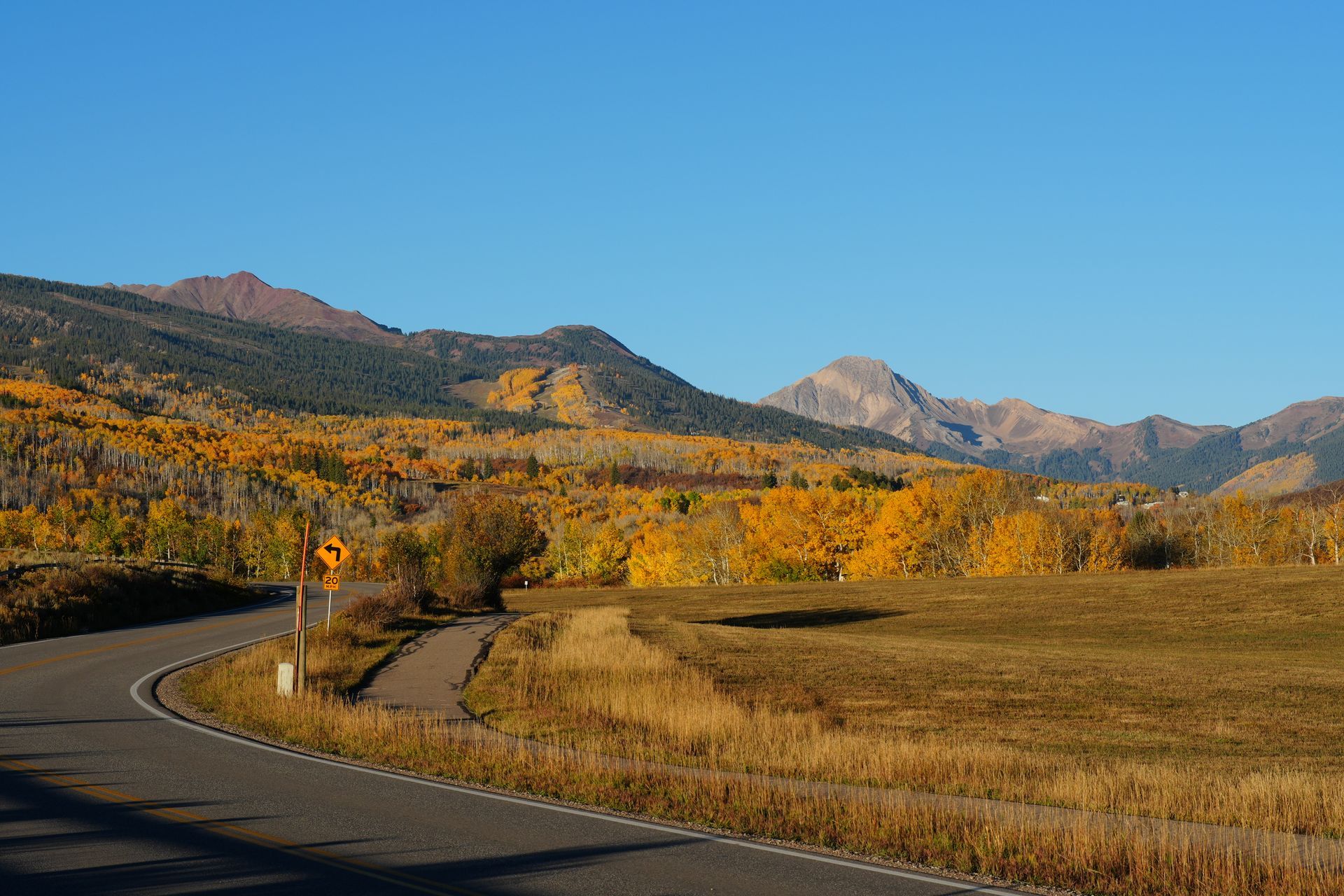
Dogs are welcome on many of our trails and are a beloved part of our outdoor culture. Dogs don't always follow the script, but their humans can help. Consistent, clear messaging about leash compliance and trail courtesy applies across all jurisdictions.
Slow Down
- Slow down and step off the trail when other users approach. Give your dog time to settle before the pass.
- If your dog is reactive or excitable, move well off the trail to give cyclists, horses, and other dogs extra space.
- Don't rush past equestrians. Stop, stay visible, shorten your leash, and wait for the rider's direction.
Say Hello
- Greet approaching users with eye contact and say, “Hello!” to let them know you've heard them and to help coordinate a safe pass.
- Let approaching trail users know your dog's temperament before they get close. Is it friendly or shy? Does it need space - or treats!?
Show Up
- Use a brightly colored or lit leash or collar, so other trail users can spot your dog quickly, especially at dawn, dusk, or in brush.
- Keep your dog close enough that they are always visible to you and to approaching trail users.
- Walk predictably: keep your leash short enough to prevent it from crossing the trail path.
Tune In
- Avoid wearing both earbuds (or any!) so you can hear what's going on around you.
- Look ahead and behind regularly, especially on blind curves and busy junctions.
- Know the rules before you go. Dog allowances, leash requirements, and seasonal closures vary by jurisdiction.
Stay in Control
- Watch your dog's body language (stiffening, focused staring, or raised hackles) that could indicate a behavior change.
- Maintain full control of your dog at all times. Keep your pet leashed or under reliable voice control. Know and follow posted leash rules.
- Never allow your dog to chase horses or wildlife. Even a brief pursuit can trigger dangerous defensive behavior and stress animals severely.
Leave No Trace
- Pick up all trash, pet waste, and food scraps - every time, no exceptions.
- Pack out waste or use designated disposal stations. Do not leave bags on the side of the trail - even if you intend to pick them up on the way back. It’s littering and against the law.
- Keep you and your dog on designated paths. Cutting switchbacks or going off-trail damages habitat, affects wildlife behavior, and accelerates erosion.